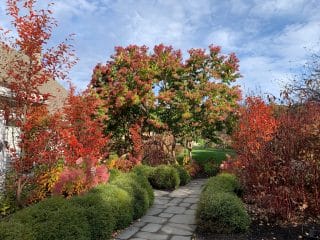
Preparing Commercial Properties for a Smooth Seasonal Shift
Posted On
As summer gives way to cooler temperatures and shorter days, commercial landscapes enter an important period of transition. The shift from late-summer growth to fall conditions affects turf, planting beds, irrigation requirements, hardscapes, and overall property presentation.
For commercial property managers, HOA boards, developers, and facility managers, this seasonal change requires more than routine maintenance. A coordinated fall landscape transition helps preserve curb appeal, support plant health, improve site safety, and prepare the property for upcoming seasonal enhancements and winter conditions.
Princeton Scapes provides structured commercial landscape transition services designed to help properties move from summer into fall with consistency and control. With Certified Horticulturists on staff and experienced professional crews, seasonal adjustments are based on site conditions, plant performance, and long-term landscape goals.
Why the Fall Landscape Transition Matters
Late summer can leave visible signs of stress across commercial landscapes. Extended heat, fluctuating rainfall, irrigation demands, pedestrian activity, and seasonal growth can all affect the appearance and health of turf, shrubs, perennials, and planting beds.
As temperatures begin to moderate, property managers have an opportunity to address those conditions before they become more pronounced.
A well-managed fall transition can support:
- Recovery from summer heat and moisture stress
- Improved turf density and appearance
- Cleaner, more defined planting beds
- Better preparation for fall planting and renovation work
- More efficient irrigation management
- Improved site safety as leaf and debris accumulation increases
- A consistent, professional appearance throughout the property
The goal is to maintain landscape quality while preparing each area of the property for the next stage of seasonal maintenance.
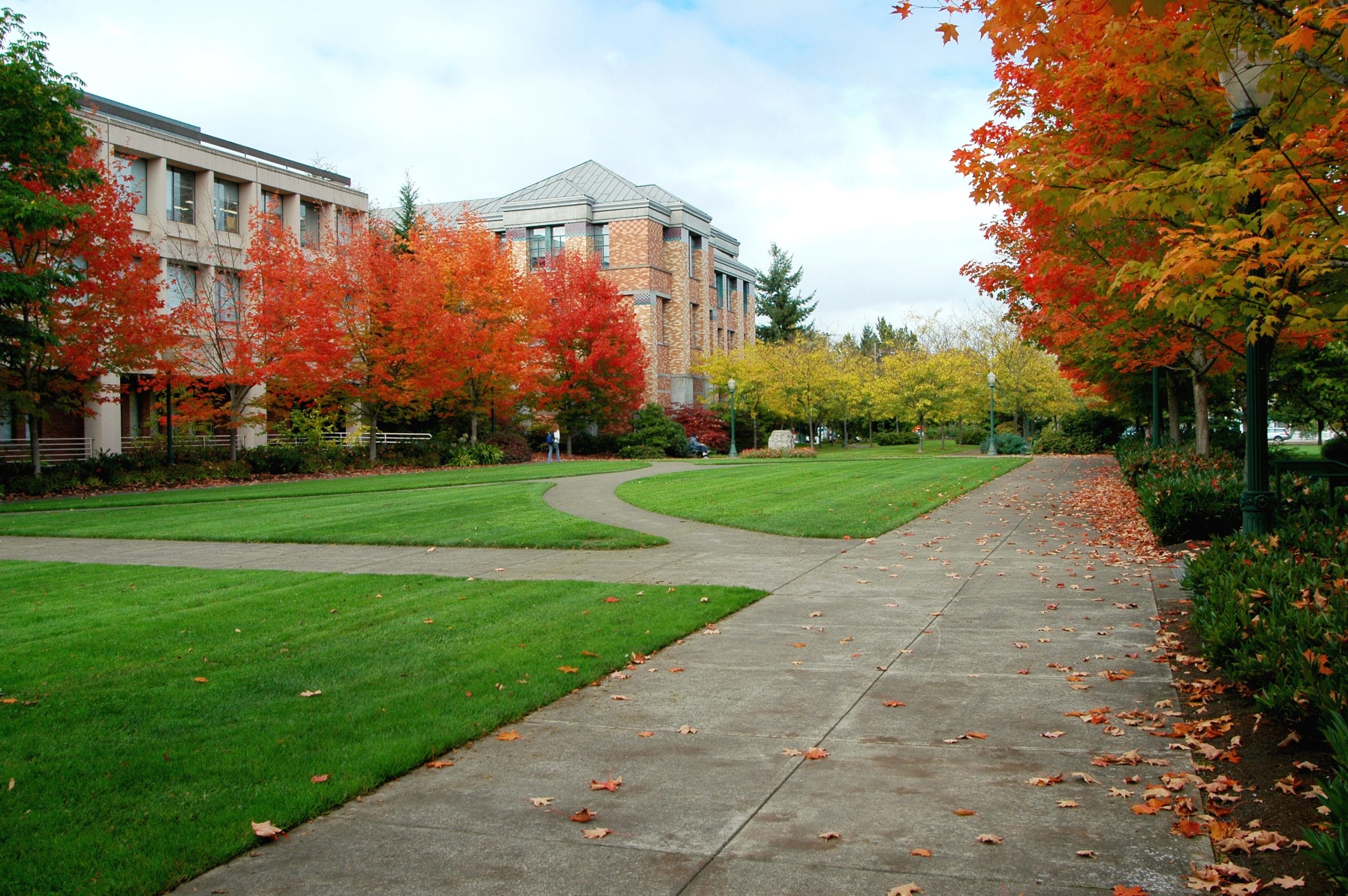
Evaluate Plant, Turf, and Soil Conditions
A successful seasonal transition begins with a detailed property assessment.
Princeton Scapes evaluates the condition of turf, trees, shrubs, perennial beds, soil, irrigation coverage, and high-visibility landscape areas. This process helps identify stress, deterioration, and maintenance needs before fall work begins.
Horticultural professionals may look for issues such as thinning turf, compacted soil, declining plant material, poor drainage, irrigation inconsistencies, overgrown beds, or plantings that have exceeded their intended space.
Identifying these conditions early allows property managers to prioritize improvements based on site needs and seasonal timing. This proactive approach supports both immediate appearance and long-term landscape performance.
Stabilize Turf After Summer Stress
Commercial turf often shows signs of fatigue by the end of summer. Areas near entrances, sidewalks, gathering spaces, and other high-traffic zones may appear thin or compacted. Heat and inconsistent moisture can also affect density, color, and overall vigor.
The fall transition is an opportunity to stabilize turf and prepare it for seasonal renovation where appropriate.
Depending on site conditions, this may include adjustments to mowing practices, irrigation schedules, fertility programs, or localized soil management. Areas showing compaction or thinning can also be identified for aeration and overseeding.
These measures help improve root development, turf density, and recovery potential before winter. For commercial properties where large turf areas contribute significantly to curb appeal, maintaining consistency during this period is especially important.
Refresh Planting Beds for a Cleaner Appearance
As summer growth matures, planting beds can lose definition. Shrubs may extend beyond their intended form, mulch can become displaced, weeds may emerge, and spent plant material can reduce the overall appearance of the property.
Fall bed refinement helps restore structure and creates a cleaner transition into the new season.
This work may include:
- Redefining bed edges
- Removing declining or exhausted plant material
- Correcting mulch depth
- Cleaning debris from planting areas
- Selectively pruning overgrown plants
- Preparing beds for fall seasonal color or new installations
Maintaining clearly defined beds is particularly important in high-visibility areas such as entrances, signage zones, courtyards, and building foundations. A clean, organized appearance reinforces the level of care expected across professionally managed commercial properties.
Prepare for Fall Seasonal Color
For properties that incorporate seasonal color, the transition from summer displays to fall installations requires planning and proper preparation.
Summer annuals may begin to decline as temperatures change and daylight decreases. Removing exhausted material at the appropriate time creates space for fall color and allows crews to evaluate soil conditions before new plantings are installed.
Bed preparation can include cultivation, soil improvement, grading, and irrigation adjustments to ensure new seasonal plantings establish properly.
For office campuses, multifamily properties, retail centers, medical facilities, and HOA communities, fall color can help maintain visual impact as other areas of the landscape begin moving toward dormancy.
Strengthen Shrubs and Perennials for Cooler Conditions
Shrubs and perennials also require attention during the seasonal shift.
By late summer, some plants may show heat stress, excessive growth, damaged branches, or crowding within planting beds. Selective horticultural care can help improve appearance while preparing plant material for cooler weather.
Depending on the species and site conditions, fall transition work may involve removing declining growth, correcting minor structural issues, cleaning perennial beds, or addressing areas where plant density has restricted airflow.
Pruning decisions should be made carefully. Not every plant benefits from the same timing or technique. Princeton Scapes’ Certified Horticulturists help ensure seasonal plant care supports long-term health rather than simply producing a short-term visual result.
Adjust Irrigation for Changing Seasonal Demand
Water requirements begin to change as temperatures cool.
Continuing to operate irrigation systems at peak-summer settings can lead to unnecessary water use or oversaturated soils. At the same time, newly installed plants, renovated turf, and certain high-exposure areas may still require consistent moisture.
Effective irrigation management during fall involves balancing these changing needs.
Run times and frequencies may be adjusted based on weather patterns, soil moisture, exposure, and plant requirements. Irrigation zones should also be reviewed for performance issues that could affect upcoming planting or renovation work.
These adjustments help support plant health while preparing systems for eventual seasonal shutdown and winterization.
Maintain Clean, Safe Access Throughout the Property
Fall brings an increase in leaves, plant debris, and wet surfaces, all of which can affect property safety and appearance.
Entrances, sidewalks, walkways, parking areas, and gathering spaces should remain clear and accessible as seasonal debris increases.
Routine cleanup helps reduce slip hazards, supports proper drainage, and reinforces a well-maintained appearance across the property. This is particularly important for medical facilities, multifamily communities, office properties, and other sites with significant pedestrian activity.
A professional fall transition program considers both landscape appearance and operational safety as part of a complete property management strategy.
Inspect Hardscapes Before Winter Conditions Arrive
The seasonal transition is also a practical time to evaluate hardscape areas.
Walkways, patios, curbs, retaining walls, and other paved or constructed features may reveal movement, drainage concerns, surface damage, or other issues after a full season of use.
Identifying concerns before colder weather arrives can help property managers plan appropriate repairs and reduce the potential for winter conditions to worsen existing problems.
Early attention also supports safe circulation throughout the property as freeze-thaw cycles and winter weather approach.
Prepare for Fall Renovations and Installations
Many important commercial landscape improvements are completed during fall.
Turf renovation, tree and shrub installation, seasonal color, bed enhancements, drainage work, and other projects often benefit from the cooler conditions of the season.
Preparing the site in advance allows crews to take advantage of optimal installation windows and reduces the likelihood of unnecessary delays.
A coordinated approach also helps ensure that different services work together. Irrigation adjustments, bed preparation, soil improvement, plant installation, and ongoing maintenance should support the same long-term landscape objectives.
For property managers, this level of coordination can make seasonal work more predictable and efficient while helping protect the overall landscape investment.
Ensure a Smooth Seasonal Shift With Princeton Scapes
The transition from summer to fall is a critical period for maintaining the health, appearance, and functionality of commercial landscapes. Proactive evaluation, turf stabilization, planting bed refinement, irrigation adjustment, debris management, hardscape review, and project preparation all contribute to a stronger seasonal transition.
Princeton Scapes provides comprehensive commercial landscape services supported by Certified Horticulturists, experienced professional crews, and a commitment to consistent year-round performance. By addressing changing site conditions before winter, property managers can protect landscape investments while maintaining a professional appearance throughout the season.
Connect with Princeton Scapes to prepare your commercial property for a smooth transition into fall and support strong landscape performance through the seasons ahead.