Seasonal Color Preparation: Setting the Stage for High-Impact Spring Planting Displays
Posted On
Seasonal color remains one of the most effective ways to elevate the appearance of commercial properties, especially during high-traffic months when tenants, employees, and visitors interact frequently with outdoor spaces. However, successful spring seasonal displays do not begin with installation. They begin weeks earlier with strategic preparation, horticultural planning, and detailed bed conditioning. For property managers, HOA boards, developers, and facility directors, proper early-season preparation ensures that seasonal installations are vibrant, uniform, and capable of thriving throughout the season.
Princeton Scapes provides a horticulturist-led approach to spring seasonal color preparation, ensuring each property receives plant selections and bed preparation strategies tailored to site-specific conditions, sunlight patterns, soil profiles, and long-term maintenance objectives.
Why Seasonal Color Preparation Matters for Commercial Properties
Seasonal displays create immediate visual impact, reinforce brand identity through consistent presentation, and enhance the atmosphere of entrances, signage areas, courtyards, and other high-visibility locations. Yet without proper foundation work, even premium flowers struggle to perform.
Effective preparation ensures:
- Improved plant establishment
- Reduced transplant stress
- More uniform growth and color coverage
- Better water management
- Lower risk of early-season decline
- Higher presentation standards across the site
The preparatory work performed in early spring directly influences the success of the entire seasonal color program.
Reviewing Planting Locations and Site Conditions
The first step in seasonal color preparation involves assessing each designated planting location across the property. No two commercial landscapes share the same conditions, and planting areas often have different soil profiles, sun patterns, and moisture levels.
Sun Exposure Evaluation
Horticulturists evaluate:
- Full sun planting zones
- Afternoon sun exposure impacts
- Shaded areas created by buildings or mature trees
- Microclimates around hardscapes
These insights influence plant selection, irrigation requirements, and layout strategies.
Soil and Drainage Review
Soil preparation begins with understanding:
- Compaction from winter
- Nutrient levels
- Existing organic matter
- Drainage efficiency
- Soil pH
Any deficiencies must be corrected before installation to ensure strong root establishment.
Bed Design and Shape Assessment
Overgrown or misshapen bed lines can reduce the visual impact of seasonal color. Early spring is the ideal time to refine bed shapes and ensure structure supports the intended design.
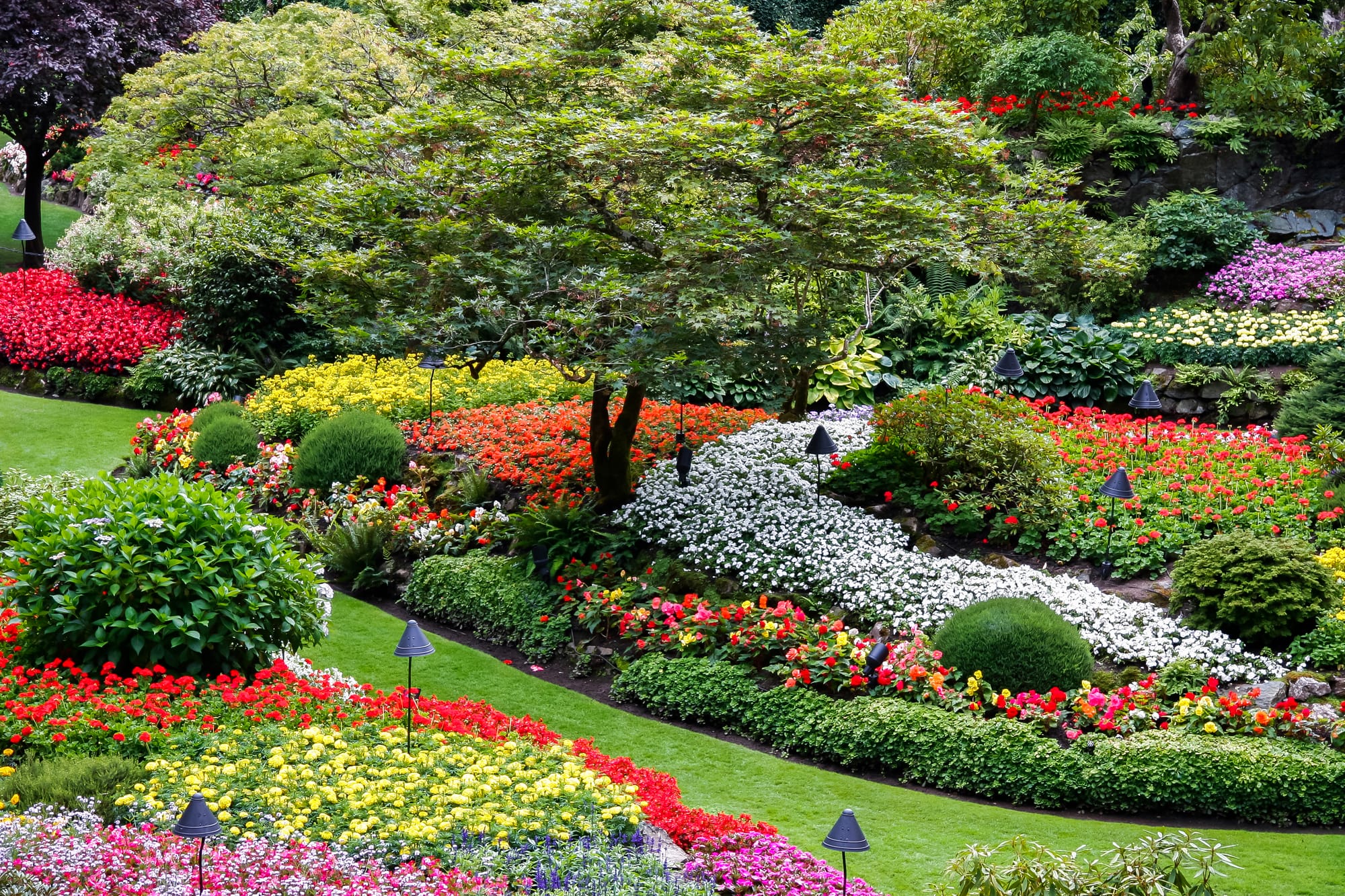
Bed Preparation for Successful Plant Establishment
Proper bed preparation is essential for consistent, long-lasting seasonal displays. This step ensures new plant material can root deeply, access nutrients, and remain healthy throughout the season.
Removing Winter Debris and Old Material
Before installing new flowers, teams remove:
- Old annuals
- Damaged foliage
- Winter debris
- Weeds and unwanted growth
A clean foundation improves plant establishment and reduces competition for early-season resources.
Soil Cultivation and Amendment Integration
Healthy soil supports stronger, longer-lasting blooms. Horticulturists implement:
- Soil loosening or tilling
- Organic matter incorporation
- Targeted nutrient amendments
- pH correction where needed
This creates an environment where root systems can expand quickly after installation.
Enhancing Soil Structure for Root Development
Poor soil structure can restrict root growth or hold excess moisture. Improving structure in early spring prevents early-season decline and strengthens overall plant health.
Planning Plant Selection for Maximum Impact
Plant selection is a strategic process that requires horticultural expertise. The best seasonal displays are designed around property-specific conditions and long-term maintenance requirements.
Species Selection Based on Site Conditions
Horticulturists recommend species based on:
- Sun exposure
- Moisture levels
- Soil profiles
- Seasonal timing
- Required maintenance levels
This ensures that flowers are not only visually appealing but also well-suited to the property’s growing conditions.
Color Palette Coordination
Spring displays often feature:
- Bright, high-visibility colors
- Harmonized palettes that reflect brand identity
- Multi-height arrangements for depth and structure
- Color blocking to enhance entrances and key focal points
Strategic color design enhances the property’s visual coherence.
Bloom Period Planning
Selecting species with staggered bloom periods supports consistent color performance across the season.
Coordinating Irrigation for Seasonal Color Success
Seasonal color installations rely heavily on irrigation support, particularly during establishment. Proper irrigation planning is critical for:
- Uniform soil moisture
- Prevention of wilt stress
- Reducing transplant shock
- Supporting bloom duration
Before installation, irrigation zones are evaluated to ensure sufficient coverage and proper emitter location for bed layouts.
Creating High-Impact Designs for High-Traffic Commercial Areas
Seasonal color is most effective when placed in areas where visibility and interaction are highest.
High-impact zones include:
- Building entrances
- Leasing offices and reception areas
- Monument signs
- Walkways and amenity spaces
- Courtyards and plazas
- Parking lot landscape islands
- Retail storefronts
Strategically placed seasonal color strengthens curb appeal and enhances user experience.
Scheduling and Crew Coordination for Seamless Installation
Seasonal installations require proper scheduling to achieve peak performance. Princeton Scapes coordinates installation schedules based on:
- Weather patterns
- Soil temperature
- Plant delivery timelines
- Client event scheduling
- Bloom cycle timing
Consistent crews ensure reliable installation quality and adherence to horticultural best practices.
Ensuring Long-Term Performance After Installation
Post-installation care determines how well seasonal color maintains its appearance through the peak growing months.
Recommended practices include:
- Regular deadheading
- Targeted fertilization
- Monitoring for early pest activity
- Adjustments to irrigation schedules
- Maintaining clean bed edges
- Scheduled plant health assessments
These steps preserve the investment and ensure displays remain vibrant throughout the season.
Prepare Your Property for a Vibrant Spring Display
A successful seasonal color program begins with strategic preparation rooted in horticultural expertise and professional execution. Princeton Scapes delivers comprehensive spring seasonal color preparation that enhances property appearance and ensures high-performing displays throughout the season.
Connect with our team to begin planning your spring seasonal color strategy and elevate your property’s presentation for the months ahead.


