Optimizing Irrigation Systems in Spring: Improving Efficiency for High-Performance Landscapes
Posted On
As spring begins, commercial properties depend on irrigation systems that operate efficiently, consistently, and in alignment with seasonal plant needs. While winter conditions often cause hidden damage, spring is the most strategic time for property managers to evaluate system performance, update controller settings, and adjust coverage patterns before demand increases. An optimized irrigation system supports healthier plants, reduces operational waste, and ensures reliable performance as temperatures rise.
Princeton Scapes provides commercial irrigation optimization services designed to improve water efficiency, strengthen system reliability, and reduce irrigation-related costs across large properties. By combining technical expertise with horticultural insight, we ensure irrigation supports the property’s broader landscape goals throughout the growing season.
Why Spring Irrigation Optimization Is Essential for Commercial Properties
Commercial landscapes require precise water delivery to maintain consistent plant health and visual quality. A system operating on outdated schedules or compromised by winter conditions can contribute to:
- Uneven turf performance
- Drought stress in planting beds
- Excessive water use and higher utility fees
- Runoff issues that affect hardscape safety
- Long-term plant decline
- Unnecessary strain on mechanical components
Optimizing the irrigation system in early spring ensures that property managers start the season with an efficient, properly calibrated system ready to support months of active growth.
Assessing Irrigation Performance After Winter
Winter exposes irrigation infrastructure to stressors such as freezing temperatures, shifting soil, and snow removal equipment. Early spring inspections identify system issues before they escalate.
Identifying Damage to Lines, Valves, and Heads
Even a small crack in a lateral line can waste significant water once the season begins. During inspection, irrigation specialists review:
- Main and lateral line integrity
- Valve function and wiring connections
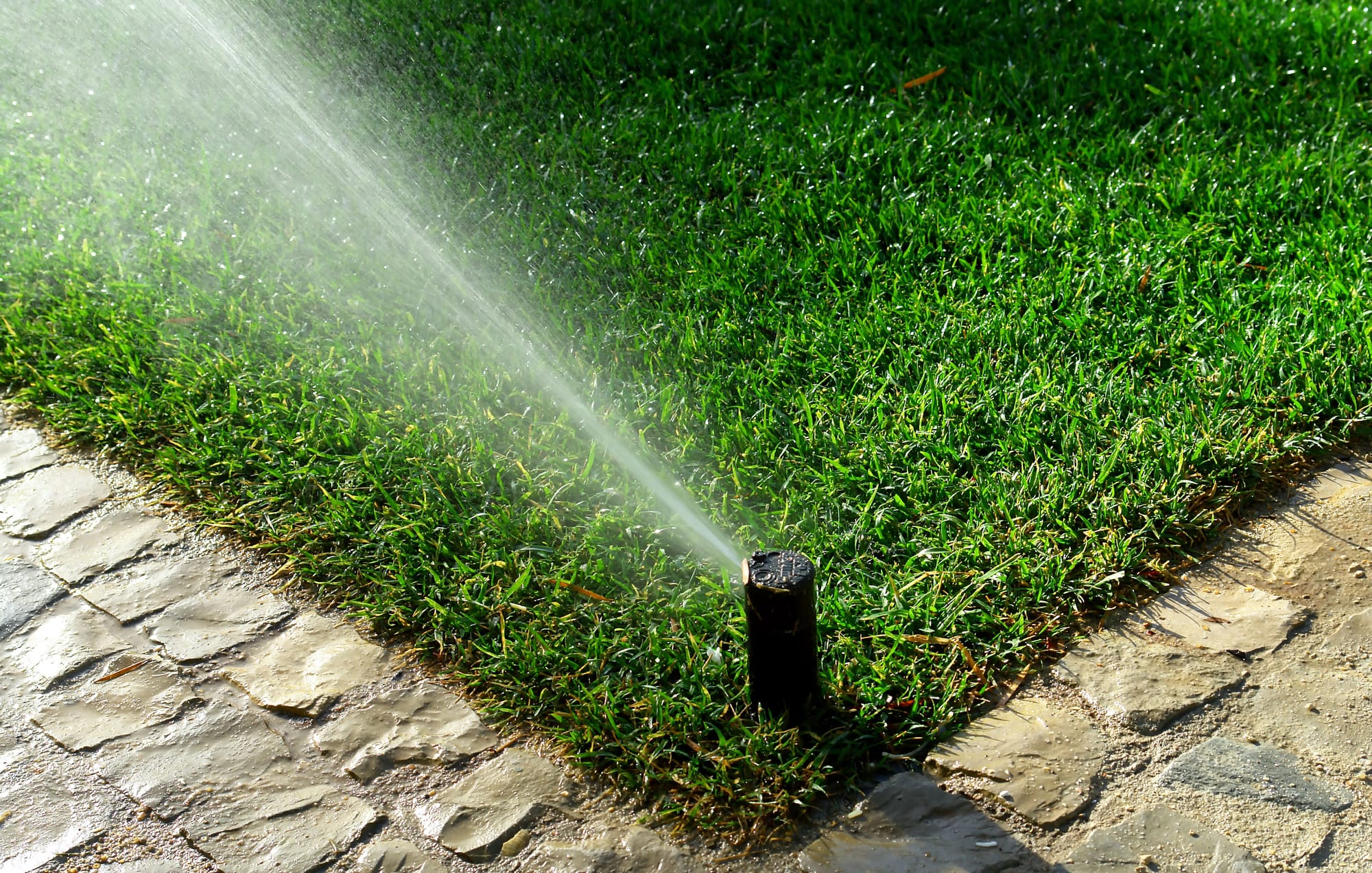
- Sprinkler head alignment and height
- Nozzle condition and debris buildup
- Pressure loss or inconsistencies
Addressing these issues early prevents water waste and ensures reliable coverage.
Inspecting Backflow Devices
Backflow preventers are essential for compliance and water safety. Spring inspections confirm:
- Proper pressure levels
- No freeze-related cracking
- Secure fittings and connections
- Correct operation of test ports
Any issue with the backflow must be addressed before irrigation resumes regular operation.
Evaluating Coverage Patterns for Turf and Planting Beds
Large commercial properties often feature diverse plant material, exposure conditions, and soil types. Proper coverage ensures each area receives the right amount of water without overspray, pooling, or dry spots.
Reviewing Turf Coverage
Technicians evaluate whether heads are delivering:
- Full arc coverage
- Correct precipitation rates
- Even distribution across slopes or high-traffic zones
- Proper throw distance without overspray onto walkways or pavement
Assessing Planting Bed Irrigation
Drip systems and micro-irrigation zones often require different calibration strategies than turf zones. Professionals review:
- Emitter spacing and output
- Clogged or damaged emitters
- Flow rates aligned with plant density
- Mulch thickness affecting water penetration
- Soil composition influencing moisture retention
Each adjustment supports healthier, more resilient plant material throughout the season.
Optimizing Irrigation Controller Settings for Seasonal Efficiency
Controller programming is one of the most influential components of irrigation performance. Outdated schedules can significantly increase water use or contribute to plant stress.
Updating Spring Run Times
Professional recalibration considers:
- Soil temperature
- Early-season moisture levels
- Plant needs at their current growth stage
- Sun exposure patterns across each zone
Spring run times typically differ from summer schedules and should reflect lower seasonal demand.
Integrating Smart Irrigation Technology
Where applicable, properties may benefit from:
- Weather-based controllers
- Rain sensors
- Soil moisture sensors
- Flow sensors capable of detecting leaks
- Remote management capabilities
These technologies support water conservation goals and improve system responsiveness.
Ensuring Proper Pressure Regulation
Pressure inconsistencies create a range of problems—misting, dry spots, runoff, and premature equipment wear. Spring is the ideal time to test and correct pressure irregularities.
Technicians evaluate:
- Zone-by-zone operating pressure
- Pressure regulator valve function
- Proper head spacing relative to pressure output
- Water source capacity
Correct pressure ensures each zone performs efficiently and uniformly.
Addressing Drainage and Runoff Issues Before Heavy Water Use Begins
Poor drainage not only wastes water but also affects turf quality, creates safety hazards, and contributes to soil erosion.
During spring optimization, specialists identify:
- Areas where irrigation contributes to runoff
- Turf stress caused by oversaturation
- Soil conditions preventing proper infiltration
- Slopes receiving excessive water
- Drainage patterns that require grading adjustments
Correcting these issues early improves long-term system performance and property safety.
Coordinating Irrigation Optimization With Spring Landscape Work
An effective irrigation system must work in sync with broader spring activities, including:
- Mulching
- Bed preparation
- Planting cycles
- Turf renovations
- Seasonal color installations
- Fertility programs
For example, new plant material often requires adjusted run times, while mulch can temporarily reduce evaporation and change moisture retention levels. Coordinated planning ensures irrigation supports these services rather than working against them.
Supporting Water Conservation and Budget Predictability
Water is a significant line item for many commercial properties. An optimized irrigation system reduces water use without compromising landscape performance.
Benefits include:
- More efficient system scheduling
- Reduced overspray and runoff
- Improved equipment lifespan
- Lowered risk of costly water loss
- Fewer emergency repairs during peak season
These efficiencies contribute to long-term operational savings and support sustainability initiatives.
Prepare Your Property for a Strong Season With Professional Irrigation Optimization
A fully optimized irrigation system is essential to maintaining healthy landscapes, reducing water waste, and ensuring predictable results throughout the growing season. Princeton Scapes delivers a comprehensive, property-specific approach to spring irrigation optimization, supported by technical expertise and reliable service execution.
Connect with our irrigation specialists to prepare your system for a high-efficiency, high-performance spring season.