Strategic Spring Mulching: Enhancing Plant Health and Property Appearance
Posted On
Mulching is one of the most effective early-season practices for strengthening plant health, improving soil conditions, and elevating the appearance of commercial landscapes. For property managers, HOAs, multifamily communities, and corporate campuses, spring mulching is far more than an aesthetic enhancement—it is a strategic cultural practice that supports long-term landscape performance and reduces maintenance demands throughout the year.
Princeton Scapes’ horticultural experts apply mulch as part of a broader spring landscape strategy, ensuring proper depth, material selection, and bed preparation to maximize both functional and visual results. When performed correctly, mulching becomes a powerful tool that promotes plant resilience, enhances soil systems, and creates a polished, professional appearance across the property.
Why Mulching Is a Strategic Priority in Early Spring
Spring is the ideal time to apply mulch because plants are beginning their most active growth period and soil conditions are emerging from winter dormancy. Applying mulch at this time provides multiple benefits that directly support landscape health and operational consistency.
Spring mulching helps:
- Moderate soil temperatures during early growth
- Retain moisture as irrigation systems start up
- Improve soil structure and organic content
- Suppress early-season weeds
- Reduce erosion from spring rains
- Protect root zones from compaction and fluctuating temperatures
- Enhance visual presentation at building entrances, walkways, and common areas
This combination of functional and aesthetic benefits makes mulching an essential component of commercial landscape management.
Enhancing Soil Health Through Proper Mulch Application
Healthy soil is the backbone of successful landscapes. Mulch plays a key role in maintaining favorable soil conditions throughout the growing season.
Improved Soil Moisture Retention
Mulch reduces evaporation from planting beds, helping soil retain moisture and reducing the burden on irrigation systems. This is especially important during the transitional period when irrigation is just reactivating.
Regulation of Soil Temperature
Plants experience stress when soil temperatures fluctuate rapidly. Mulch insulates the root zone, moderating temperature swings and encouraging stable, early-season growth.
Enhanced Soil Biology
Over time, high-quality mulch contributes organic matter that improves soil structure and supports beneficial microbial activity. These improvements strengthen plant health and increase disease resistance.
Protection Against Soil Compaction
Mulch acts as a buffer between foot traffic or equipment and delicate root zones, preserving aeration and preventing compaction that can inhibit root expansion.
A well-mulched bed provides a healthier environment for both new and established plantings.
Supporting Plant Health and Growth in Commercial Landscapes
Mulch directly influences plant performance, especially in high-visibility commercial settings.
Stronger, More Resilient Plantings
By protecting roots from environmental stress, mulch helps plants allocate more energy toward growth and development.
Reduced Competition From Weeds
A properly applied layer of mulch suppresses weed germination by limiting light penetration, reducing the need for chemical interventions or manual removal.
Minimized Stress From Heavy Spring Rains
Mulch reduces soil splash, which protects lower stems and foliage from fungal pathogens and helps maintain cleaner, healthier plant material.
Long-Term Plant Viability
Mulch contributes to more stable growing conditions throughout the year, reducing decline and improving longevity for shrubs, perennials, and ornamental trees.
The Importance of Proper Bed Preparation Before Mulching
Effective mulching begins long before the first wheelbarrow of material is placed. Proper bed preparation ensures mulch delivers its full benefit.
Princeton Scapes’ crews perform:
Thorough Bed Cleaning
Removing winter debris, expired annuals, damaged plant material, and leaf buildup prevents disease and primes the bed for clean mulch application.
Edge Definition
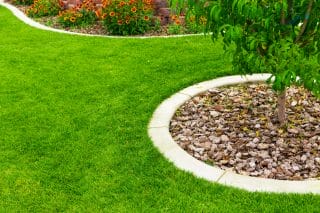
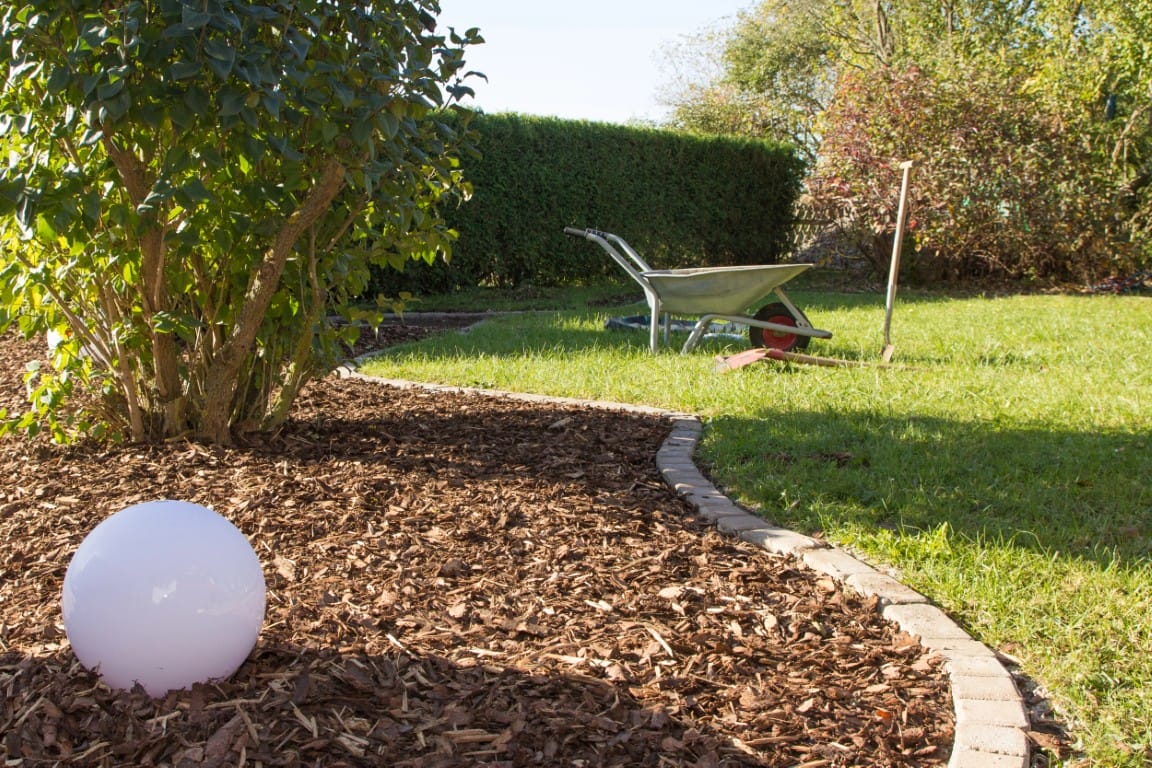
A sharply defined edge enhances appearance and prevents mulch migration into turf or pavements. Clean edges also make beds easier to maintain throughout the season.
Soil Assessment
Where needed, soil amendments may be incorporated prior to mulching to address structure, compaction, or nutrient concerns identified during early-season inspections.
Weed Removal
Mulch suppresses new weed growth—but it should never be applied on top of existing weeds. Eliminating weeds beforehand strengthens the impact of the mulch layer.
Proper preparation is essential for both functionality and visual presentation.
Selecting the Right Mulch for Commercial Properties
Mulch type and quality significantly influence performance. Princeton Scapes selects mulch based on property conditions, plant needs, and desired visual outcomes.
Factors considered include:
- Material consistency
- Decomposition rate
- Color retention
- Moisture absorption characteristics
- Impact on soil pH
- Suitability for specific planting areas
High-quality mulch contributes to soil health and provides a consistent, professional appearance across the property.
Applying Mulch at the Correct Depth
Mulching depth has a direct impact on effectiveness. Too little mulch fails to suppress weeds or protect soil; too much mulch can create moisture issues and encourage root stress.
Princeton Scapes follows best-practice guidelines:
- 2 to 3 inches for most planting beds
- Sufficient coverage to provide insulation without smothering roots
- Avoiding excess mulch around the base of shrubs and trees
Proper depth ensures mulch performs as intended without creating secondary problems.
Addressing Common Mulching Mistakes
Mulching is simple in concept but easy to do incorrectly without professional oversight. Common issues include:
Mulch Volcanoes Around Tree Trunks
Excessive mulch around trunks traps moisture and encourages decay. Princeton Scapes ensures mulch never contacts bark directly.
Using Low-Quality or Contaminated Mulch
Poor-quality mulch may contain weed seeds or inconsistent materials that deteriorate quickly and compromise appearance.
Improper Depths
Thin applications require frequent re-mulching; overly thick layers block oxygen and promote shallow rooting.
Ignoring Bed Drainage Conditions
Mulch applied to poorly draining areas can lock in moisture and contribute to root decline.
Professional management prevents these issues and ensures long-lasting results.
Enhancing Property Appearance Through Strategic Mulching
Beyond its horticultural value, mulch dramatically improves the appearance of commercial landscapes. Fresh mulch:
- Creates clean, defined lines
- Enhances contrast with plant foliage
- Provides a polished, well-maintained aesthetic
- Supports branding and presentation for corporate or retail properties
Mulching is one of the most impactful visual enhancements performed in spring.
Integrating Mulching Into a Full Spring Maintenance Program
Mulching works best as part of a coordinated spring strategy, including:
- Spring cleanup
- Bed preparation
- Early-season pruning
- Irrigation start-up
- Turf management
- Seasonal color planning
When these services are integrated, the entire landscape benefits from improved performance and consistent appearance.
Enhance Your Property With Strategic Spring Mulching
Mulching is a foundational spring service that strengthens soil health, supports plant vitality, and elevates the overall presentation of commercial properties. Princeton Scapes delivers professional mulching services backed by horticultural expertise, precise application methods, and a commitment to long-term landscape success.
Connect with our team to schedule your spring mulching program and prepare your property for a strong, attractive growing season.