Outdoor Common Area Enhancements: Improving Usability and Aesthetics for Multifamily and HOA Communities
Posted On
Well-designed and carefully maintained outdoor common areas play a major role in how residents, tenants, and visitors experience multifamily communities and HOA-managed properties. These shared spaces influence everything from daily comfort to long-term satisfaction, serving as functional extensions of indoor environments. As expectations for outdoor amenities continue to rise, property managers and community boards are prioritizing enhancements that improve usability, strengthen aesthetic appeal, and support year-round enjoyment.
Princeton Scapes partners with multifamily and HOA communities to develop outdoor common areas that reflect the needs of modern users while aligning with long-term property goals. Through thoughtful design, durable construction, and horticultural expertise, we help communities create outdoor environments that elevate quality of life and support strong property identity.
Why Outdoor Common Area Enhancements Matter
Common areas are central to the resident experience. They serve as gathering points, relaxation areas, circulation routes, and visual anchors within the community. When these areas are well-designed and consistently maintained, they reinforce the sense of place and add measurable value to the property. Conversely, outdated or underutilized spaces can diminish curb appeal and negatively affect resident perception.
Outdoor enhancements allow communities to align their physical environment with modern expectations. They support social connection, improve accessibility, and contribute to the property’s overall professionalism and appeal.
Evaluating the Current Condition of Outdoor Spaces
Before enhancements are proposed, it is essential to understand how the current spaces function, where challenges exist, and how residents interact with the environment. This involves looking closely at circulation patterns, seating areas, plantings, lighting, natural shade, and overall usability throughout the day.
Some spaces are underutilized simply because they lack comfortable seating, meaningful shade, or clearly defined purpose. Others struggle due to aging materials, poor lighting, or vegetation that no longer reflects the community’s identity. A careful evaluation helps determine which improvements will create the greatest impact.
Enhancing Functionality Through Thoughtful Space Planning
Successful common-area enhancements begin with clear functional planning. Communities benefit from spaces that serve multiple purposes—quiet areas for relaxation, open areas for informal gatherings, and shaded zones for comfortable use throughout the day. These zones must be integrated seamlessly into the property’s circulation network, offering intuitive access while maintaining safety and visibility.
Space planning also considers maintenance requirements. Durable materials, appropriate plant selection, and efficient layouts help ensure the area remains attractive and manageable throughout the year.
Improving Hardscape Features for Modern Use
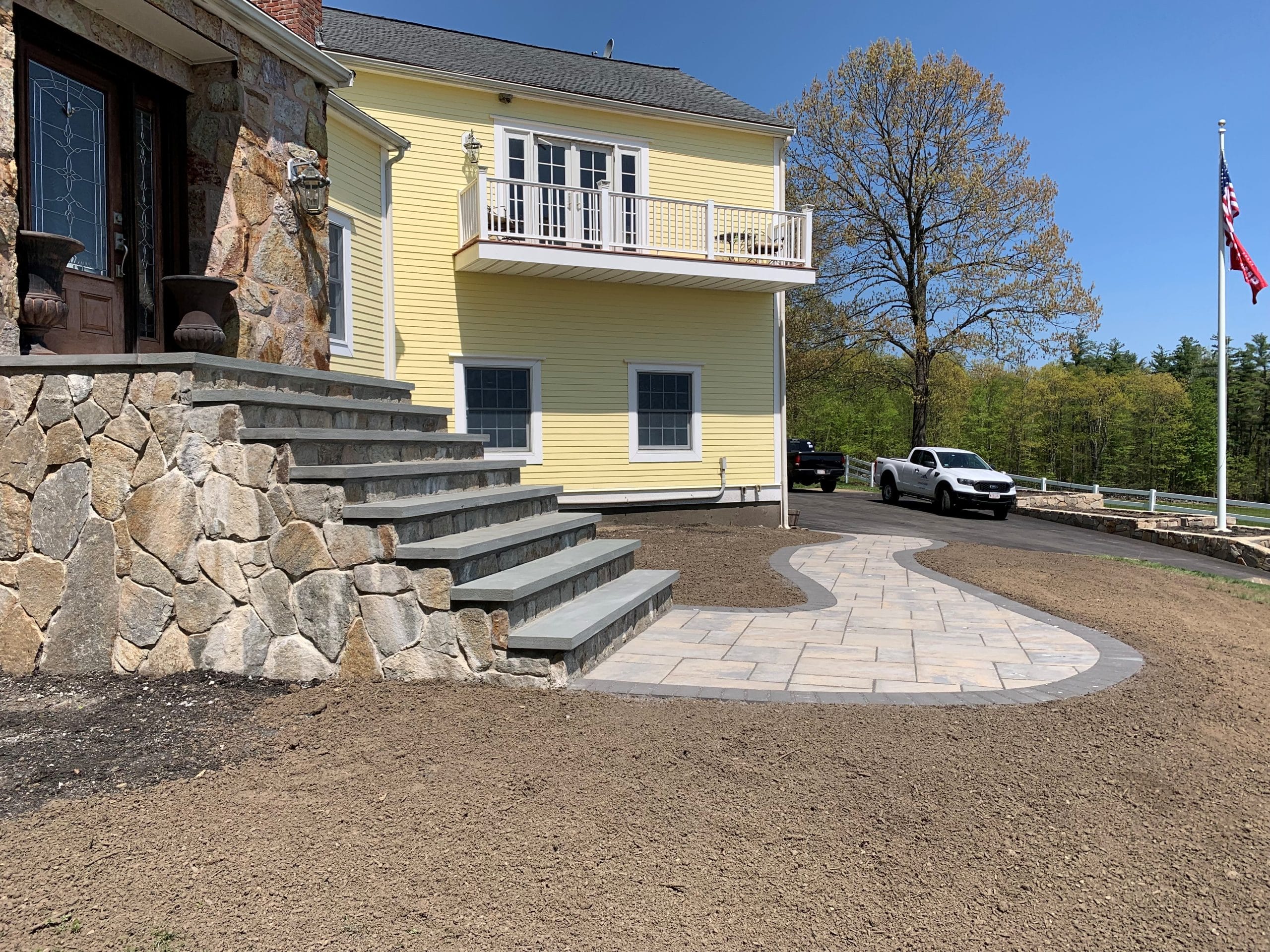
Hardscapes form the foundation of many common-area spaces. Updating or expanding these features can dramatically improve resident engagement and property appeal.
Paver patios and courtyard surfaces offer strong visual appeal and long-term durability while providing flexible layouts for seating, planters, and activity zones. Walkways benefit from upgrades that improve accessibility, reduce tripping hazards, and guide residents toward key amenities. Retaining walls or seat walls can help define gathering spaces, manage grade transitions, and provide built-in opportunities for seating.
By reinforcing the structure of outdoor spaces, communities create environments that feel organized, inviting, and professionally managed.
Creating Inviting Gathering Spaces for Residents
One of the most valuable enhancements for multifamily and HOA communities is the creation of comfortable, well-defined gathering spaces. These areas become focal points for resident interaction and support a wide range of activities, from casual conversation to organized events.
Comfortable seating, shade structures, and clear visual organization all contribute to a welcoming atmosphere. Communities may opt for shaded lounges, small seating alcoves near courtyards, or semi-private nooks for individual relaxation. Each space should encourage frequent daily use, enhancing the sense of community across the property.
Integrating Planting Design to Strengthen Aesthetic Appeal
Plantings play a powerful role in enhancing the appearance and atmosphere of outdoor common areas. The right plant palette can soften hard edges, provide seasonal interest, define circulation, and reinforce a community’s visual identity.
Designing plantings for common areas requires careful consideration of:
- Sun exposure and site-specific microclimates
- Resident expectations for color, texture, and seasonal variety
- Long-term maintenance needs
- The scale of plantings relative to surrounding architecture
Thoughtfully designed beds transform common areas into visually engaging spaces that feel connected to the broader landscape.
Using Lighting to Improve Safety and Extend Usability
Proper lighting is essential to the functionality and safety of outdoor common areas. Well-placed low-voltage lighting encourages evening use, increases visibility, and enhances residents’ sense of comfort.
Pathway lighting helps guide movement through courtyards and shared zones, while accent lighting reinforces architectural and landscape features. Lighting must support both aesthetic goals and practical needs, creating an environment that feels welcoming after sunset.
Adding Shade to Support Comfort and Daily Use
Shade is often one of the most overlooked elements in outdoor common areas. Without meaningful shade, even well-designed spaces may go unused during warmer months. Communities can improve comfort with pergolas, shade sails, covered seating areas, or strategically placed trees. Shade also helps protect outdoor furnishings and reduces heat concentration near hardscape surfaces, improving overall site usability.
Incorporating Amenities That Enhance Quality of Life
Common areas serve diverse user groups, and the right amenities can significantly elevate their experience. Properties may integrate features such as outdoor lounges, grilling stations, community gardens, fire features (where appropriate), or flexible-use green spaces. These additions contribute to a sense of community and encourage residents to use the outdoor environment as an extension of their living space.
Amenities should be carefully selected to match the property’s long-term goals and maintenance capabilities, ensuring consistent performance and reliability.
Designing With Maintenance and Longevity in Mind
Enhancements must support, not complicate, maintenance operations. Durable materials, clear bed edges, strategic plant selection, and irrigation adjustments all contribute to a landscape that performs well and remains cost-effective to maintain.
Working with a full-service landscape partner ensures that design decisions align with year-round maintenance requirements, protecting the community’s investment and sustaining quality over time.
Enhance Your Community’s Outdoor Experience
High-quality outdoor common areas are essential to the success of multifamily and HOA properties. Princeton Scapes delivers design-build solutions rooted in horticultural expertise and reliable maintenance execution, helping communities create outdoor environments that support resident satisfaction and long-term property value.
Connect with our team to explore enhancement opportunities that strengthen usability, comfort, and visual appeal across your outdoor common areas.


