Early Landscape Refresh: Elevate Your Property’s Appearance Before Spring Arrives
Posted On
February marks a pivotal period for commercial properties preparing for the upcoming growing season. While winter conditions may still be present, this month offers an ideal window for early landscape clean-up and refresh efforts that strengthen appearance, support plant health, and set the stage for a successful spring. For property managers, HOAs, corporate campuses, and multifamily communities, taking advantage of this preparation period ensures smoother seasonal transitions and reduces the risk of early-spring inefficiencies.
An early-season refresh goes far beyond basic debris removal. It includes strategic evaluations, corrective actions, and targeted clean-up tasks that improve safety, presentation, and operational readiness. Princeton Scapes provides tailored February clean-up programs that align with each property’s unique needs and ensure landscapes are primed for active growth as temperatures rise.
Why February Clean-Up Is Critical for Commercial Landscapes
The winter season creates conditions that can compromise the look, health, and safety of commercial properties. Snow load, wind, excess moisture, and freeze–thaw cycles all contribute to landscape deterioration that remains hidden until debris is cleared away.
A February refresh helps address winter impacts before they evolve into larger issues by:
- Removing debris that can smother turf or inhibit spring growth
- Reducing safety hazards caused by branches, uneven surfaces, or storm remnants
- Improving curb appeal as visitors and tenants return to outdoor spaces
- Preparing beds and turf areas for mulching, planting, and fertilization
- Identifying winter damage that requires immediate attention
- Improving overall site cleanliness ahead of the spring season
For properties with high tenant visibility, year-round traffic, or strict appearance standards, an early clean-up is essential to maintaining operational consistency.

Clearing Winter Debris for Improved Site Presentation
One of the first steps in a February refresh is thorough debris removal. Winter storms often leave behind:
- Fallen branches
- Accumulated leaves
- Salt-stressed plant material
- Wind-dispersed litter
- Declining annuals or leftover seasonal displays
Clearing this material enhances presentation and prepares the property for more detailed spring tasks. Removing winter debris also helps expose areas that have sustained damage, enabling teams to address concerns promptly.
Repairing Winter Damage Across Turf and Planting Beds
Winter can stress turf and planting beds in ways that are not always visible until debris is removed. February is an opportune time to evaluate these areas.
Assessing Turf Conditions
Turf may experience:
- Matting from snow and ice
- Early signs of snow mold
- Compaction from plowed snow or foot traffic
- Salt damage near pavement edges
Identifying these concerns early allows teams to plan corrective measures—such as aeration, seeding strategies, or soil amendments—when the weather warms.
Preparing Planting Beds
Planting beds require inspection for:
- Exposed roots caused by frost heave
- Broken or damaged perennials
- Mulch displacement
- Soil erosion
- Dead branches on shrubs or small trees
Proper bed preparation in February supports efficient mulching, pruning, and planting activities in March and April.
Evaluating Tree and Shrub Health Before Spring Growth
Winter reveals structural weaknesses and stress indicators that can impact spring growth. A February refresh provides a valuable opportunity to inspect trees and shrubs before buds begin to swell.
Detecting Structural Issues
Without foliage, arborists and horticulturists can identify:
- Cracked or damaged limbs
- Crossing branches
- Storm-related structural weaknesses
- Overextended tree limbs
- Dead or declining wood
Addressing these issues before spring growth helps protect both plant health and site safety.
Preparing for Late Winter or Early Spring Pruning
February is an ideal planning period for dormant pruning. While the pruning itself may occur throughout the winter, a February assessment helps determine where additional pruning may be required and ensures optimal timing for plant species that benefit from pruning just before active growth begins.
Addressing Drainage Concerns Revealed by Winter Conditions
Winter moisture patterns often expose drainage issues more clearly than any other season. Snow melt and freeze–thaw cycles reveal low spots, pooling areas, and areas where water flows in unintended directions.
During a February refresh, landscape professionals evaluate:
- Standing water near buildings or walkways
- Areas where melting snow refreezes, creating ice hazards
- Saturated turf zones
- Soil erosion patterns near slopes or beds
- Runoff paths that contribute to property damage
Understanding these patterns helps guide drainage corrections and irrigation planning during spring.
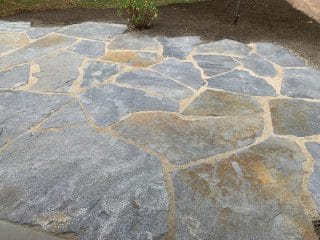
Preparing Hardscapes for Spring Safety and Performance
Winter is particularly hard on walkways, patios, curbs, and other hardscape elements. A February inspection helps identify early-season maintenance needs.
Landscape professionals look for:
- Raised or settled pavers
- Cracks caused by freeze–thaw cycles
- Salt residue buildup
- Heaving in heavily trafficked walkways
- Trip risks caused by shifting slabs
- Damage from snow removal equipment
Correcting these issues before spring improves safety, extends asset life, and reduces maintenance costs later in the year.
Refreshing Edges, Borders, and High-Visibility Areas
The edges and borders of a property influence overall presentation. February is an excellent time to restore early-season definition in areas such as:
- Entrance zones
- Walkway borders
- Parking lot landscape islands
- Perimeter beds
- Foundation plantings
While fine edging may occur closer to spring, early clean-up helps define where rejuvenation is needed and ensures these areas are ready for efficient spring enhancements.
Early-Season Planning for Mulching and Seasonal Color
Mulching and seasonal color installations are among the most visually impactful services performed in spring. Early preparation ensures these tasks are completed efficiently.
February refresh efforts support:
- Proper bed cleaning before mulching
- Assessment of where mulch levels need to be replenished
- Identification of beds suitable for redesign or enhancement
- Seasonal color placement planning
- Coordination of crew scheduling for spring bloom windows
Princeton Scapes uses winter and early-spring insights to guide seasonal planning and ensure properties receive high-quality displays at the ideal time.
Aligning Early Clean-Up With a Year-Round Landscape Strategy
February clean-up is most effective when it is integrated into a comprehensive landscape management plan. This alignment allows:
- Smooth transitions into spring cleanup
- Efficient scheduling of turf treatments
- Coordinated irrigation start-up
- Planning of enhancement projects before peak demand
- Proactive preparation for spring inspections
Property managers benefit from fewer reactive issues and more predictable landscape performance throughout the year.
Give Your Property a Professional Head Start This Spring
A February landscape refresh lays the groundwork for a successful and visually appealing spring season. Princeton Scapes provides early-season clean-up services that improve presentation, reduce risk, and position landscapes for stronger performance as temperatures rise.
Contact our team to schedule an early-season site evaluation and prepare your property for a seamless transition into spring.