Summer Pest and Disease Monitoring: Protecting Commercial Landscapes from Seasonal Threats
Posted On
Summer is the most active season for pest and disease pressures across commercial landscapes. Rising temperatures, fluctuating moisture levels, and periods of environmental stress create ideal conditions for insects, fungi, and bacterial pathogens to emerge. Without proactive monitoring, these issues can develop quickly and lead to plant decline, reduced visual quality, and avoidable replacement costs.
For commercial properties—particularly multifamily communities, office parks, retail centers, and HOA-managed neighborhoods—consistent plant health oversight is essential. Princeton Scapes provides horticulturist-led monitoring programs that identify risks early, address vulnerabilities, and keep landscapes performing reliably through the most demanding months of the year.
Why Summer Monitoring Is Essential for Plant Health
Warm-season pests and diseases often appear gradually, showing subtle symptoms before becoming widespread. By the time the damage is visible from a distance, plants have often already entered significant stress.
Summer monitoring helps properties avoid:
- Premature plant loss
- Declining turf density
- Thinning canopy structures in shrubs and trees
- Widespread foliar discoloration
- Higher long-term replacement and treatment expenses
Because commercial landscapes must remain visually consistent throughout the season, identifying trouble early is essential to maintaining predictable performance.
Evaluating Environmental Conditions That Encourage Pest Pressure
Summer weather patterns influence pest and disease development. Extended humidity favors fungal spread, while hot, dry conditions weaken plant tissue and make it more susceptible to insect feeding. Understanding these environmental triggers allows horticulturists to pinpoint potential threats before symptoms appear.
Princeton Scapes monitors how changes in temperature, rainfall, and soil moisture affect vulnerability. For example, beds with excess irrigation may develop fungal issues more quickly, while compacted turf may show signs of insect activity earlier in the season. By linking environmental conditions to known patterns, the team can provide timely, targeted interventions.
Identifying Early Signs of Pest Activity
Summer is peak season for insects that feed on leaves, roots, stems, and sap. Identifying early signs allows for prompt action and minimizes impact on plant health and appearance.
Some of the most common warm-season pests include:
- Japanese beetles, which skeletonize leaves on ornamentals and shrubs
- Spider mites, which thrive in hot, dry conditions and cause stippling and leaf bronzing
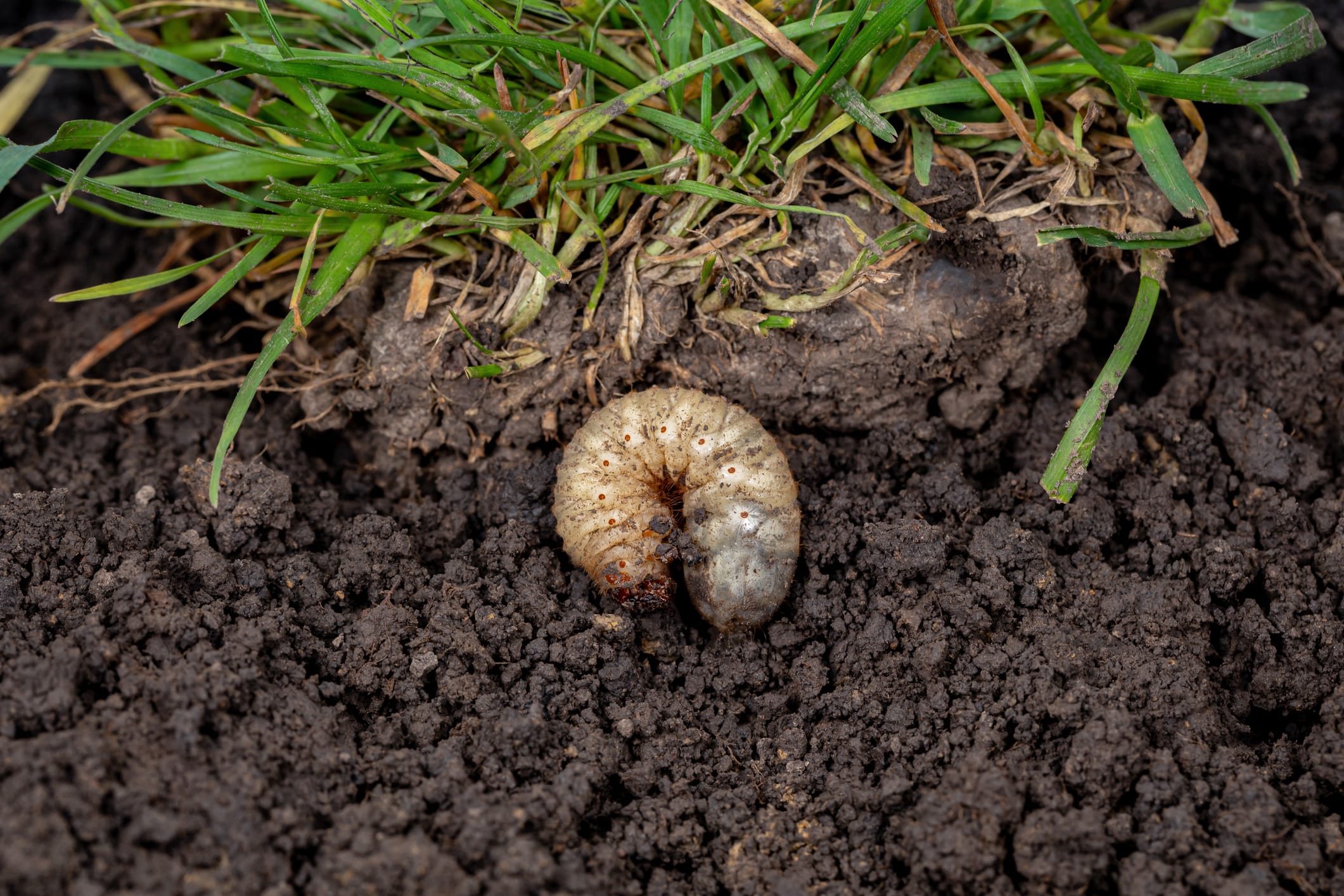
- Grubs, which feed on turf roots and lead to thinning or browning patches
- Scale insects, which weaken shrubs and trees by draining sap
- Aphids, which distort tender new growth and promote sooty mold
Not all pest pressure leads to severe damage, but understanding when populations reach threshold levels helps determine whether treatment is necessary.
Recognizing Disease Risks Before They Spread
Fungal and bacterial diseases are common during warm, humid periods. Summer disease monitoring focuses not only on early symptoms but also on underlying conditions that encourage spread.
Common issues include:
- Foliar diseases that discolor leaves or create irregular spotting
- Root rot in poorly drained beds
- Powdery mildew in shaded or crowded planting areas
- Turf diseases such as dollar spot or brown patch
Diseases often form in localized pockets before expanding across the property. Catching these issues early avoids the need for widespread treatment programs later in the season.
Assessing Woody Plant Health
Trees and shrubs play a foundational role in commercial landscapes and require consistent monitoring to maintain structural and visual integrity. Summer is the period when stress indicators become more pronounced, particularly in plantings already weakened by spring conditions.
Key areas of focus include:
- Canopy density and uniformity
- Early leaf drop or scorching
- Signs of boring insects
- Branch dieback caused by environmental stress
- Moisture fluctuations around the root zone
This oversight ensures that woody plant material remains strong throughout the season and avoids long-term decline.
Monitoring Turf for Insects and Diseases
Turf areas are especially vulnerable in summer due to heat, high foot traffic, and moisture variability. Early detection of problems is crucial for maintaining a consistent, professional appearance.
A thorough assessment examines:
- Irregular patches of discoloration
- Soft or weakened turf that may indicate root-feeding pests
- Distinct disease patterns emerging in localized areas
- Moisture imbalance caused by irrigation inconsistencies
These insights allow technicians to adjust care strategies, strengthen recovery, and prevent further deterioration during peak heat.
Strengthening Prevention Through Cultural Practices
Monitoring alone is not enough. Preventive maintenance plays a critical role in reducing the conditions that encourage pests and disease.
Effective cultural practices include:
- Maintaining proper plant spacing to improve airflow
- Adjusting irrigation schedules to prevent overwatering
- Managing mulch levels to reduce soil moisture extremes
- Improving soil structure to strengthen plant resilience
- Removing weak or damaged plant material to eliminate entry points for pests
These foundational strategies reduce long-term risk and help maintain consistent plant health across the property.
Implementing Targeted Interventions When Needed
When monitoring identifies issues that could spread or cause significant damage, Princeton Scapes provides targeted treatment programs tailored to the specific pest or disease present. Interventions are applied at appropriate thresholds, ensuring that plants receive protection without unnecessary chemical use.
These treatments are integrated into the broader plant health program to maintain long-term landscape stability while supporting environmental responsibility.
Ensuring Commercial Landscapes Perform Through the Season
Summer pest and disease monitoring is not a single event—it is an ongoing process. Regular inspections allow horticulturists to adapt care strategies as conditions change, ensuring plants receive the right level of support throughout the season.
For commercial properties that depend on consistent appearance and predictable performance, this level of oversight is essential. It preserves landscape quality, protects plant investments, and reinforces the reliability of the entire maintenance program.
Protect Your Property With Proactive Summer Pest and Disease Monitoring
Commercial landscapes perform best when they receive consistent, informed oversight during the most demanding months of the year. Princeton Scapes delivers horticulturist-led monitoring programs designed to identify risks early, support plant resilience, and protect long-term landscape investments.
Connect with our team to schedule summer plant health assessments and safeguard your property from seasonal threats.