How Commercial Landscapes Can Withstand Summer Heat Stress
Posted On
Summer heat places significant strain on commercial landscapes, particularly in high-visibility areas where turf, plantings, and hardscapes are expected to perform under demanding conditions. Extended periods of high temperatures can disrupt plant metabolism, accelerate moisture loss, and intensify stress across turf, trees, shrubs, and seasonal displays. For commercial property managers, HOA boards, and facility directors, recognizing the signs of heat stress and implementing proactive management strategies is essential to maintaining a healthy, professional appearance throughout the season.
Princeton Scapes’ Certified Horticulturists develop proactive summer management strategies that help commercial landscapes withstand extreme heat, maintain visual appeal, and support long-term plant health during the most demanding months of the growing season.
Understanding How Summer Heat Affects Commercial Landscapes
Heat stress influences landscapes in multiple ways. Plants lose moisture through transpiration at a faster rate, soils dry out more quickly, and root systems struggle to absorb enough moisture to keep pace with demand. Prolonged heat can also disrupt nutrient uptake, increase susceptibility to pests, and accelerate wilting or foliar damage.
Beyond plant health, heat impacts the broader property environment. Hardscapes radiate warmth into adjacent planting areas, turf near asphalt or pavement declines more rapidly, and newly installed plant material can struggle without proper care. Understanding these pressures allows property managers to anticipate vulnerabilities before they escalate into larger issues.
Recognizing Early Signs of Heat Stress
The earliest symptoms of heat stress are often subtle, making regular monitoring essential. Throughout the summer, horticulturists observe changes in leaf texture, color uniformity, and soil conditions—indicators that plants may be approaching stress thresholds.
Common early signs include:
- Fading or washed-out leaf color
- Leaf curling or drooping during peak afternoon hours
- Slowed turf growth
- Premature flower decline
- Rapidly drying soil conditions
When identified early, these symptoms can often be addressed before they lead to long-term decline or plant loss.
Managing Moisture and Site Conditions During Extreme Heat
Effective moisture management is critical during periods of extreme heat, but simply applying more water is rarely the solution. Soil conditions, plant type, sun exposure, and site-specific factors all influence how landscapes respond to prolonged high temperatures.
During periods of sustained heat, horticulturists evaluate overall site conditions to determine where adjustments may be needed. Areas exposed to reflective heat from pavement, compacted soils, and newly installed plantings often require additional attention.
Monitoring moisture levels, improving water retention through proper mulching, and adapting maintenance practices help support plant recovery while reducing unnecessary stress. A comprehensive approach ensures that landscape materials receive the support they need while promoting long-term plant health.
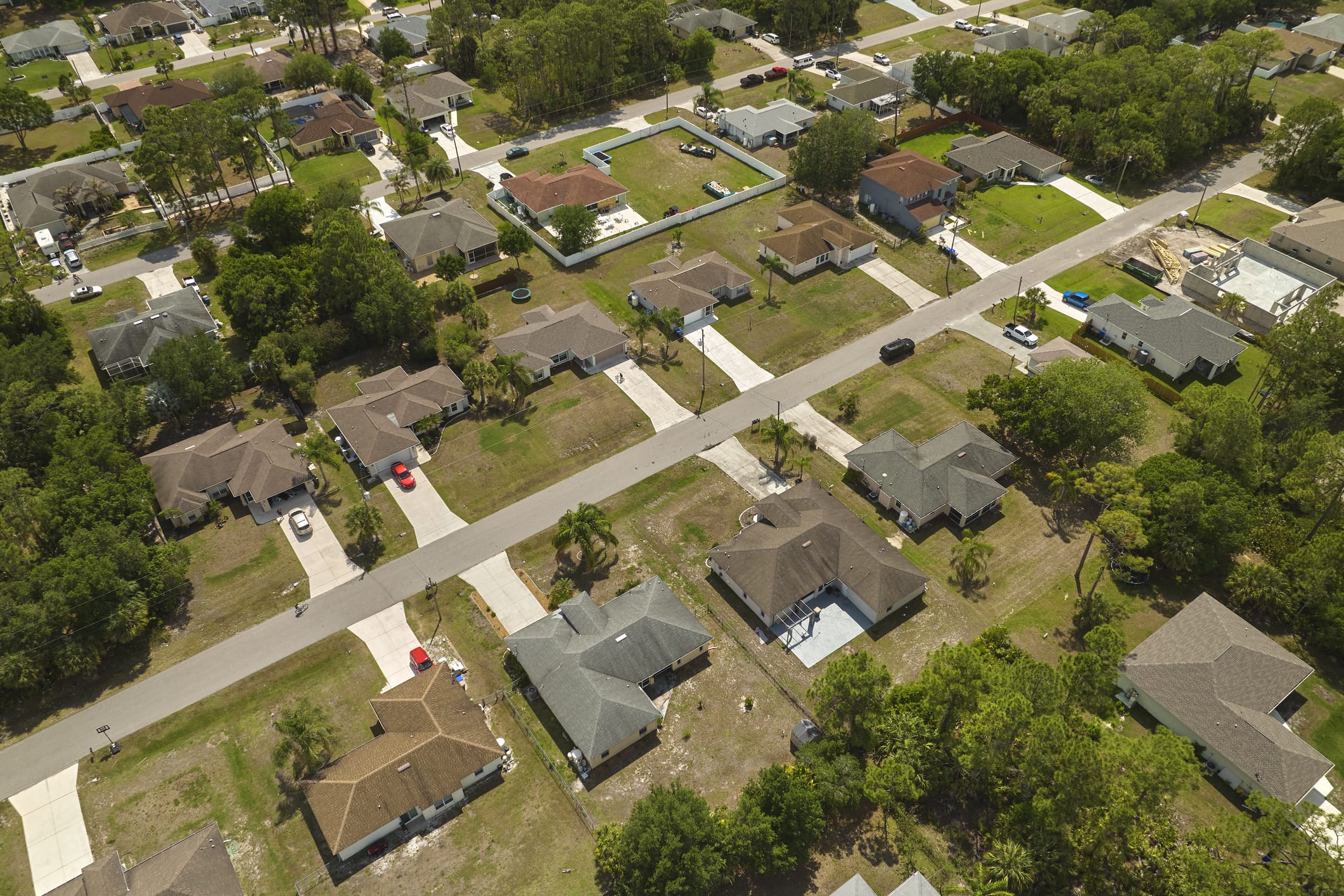
Protecting Turf From High-Temperature Decline
Turf is among the most vulnerable landscape elements during peak summer heat. Even well-established commercial lawns can show visible stress when temperatures remain elevated for extended periods.
To protect turf during periods of extreme heat:
- Mowing heights may be raised to reduce stress on the grass crown.
- Mowing frequency may be adjusted to avoid excessive stress during heat peaks.
- Fertilization schedules can be modified to prevent nutrient burn.
- Traffic-management strategies may be implemented to protect weakened turf near entrances, gathering areas, and walkways.
These adjustments help commercial lawns maintain density, color, and overall appearance even as summer conditions intensify.
Supporting Tree and Shrub Health During Heat Waves
Trees and shrubs provide structure, shade, and long-term value to commercial landscapes, but they also face significant heat-related challenges. High temperatures can reduce canopy density, slow new growth, and cause premature leaf drop in stressed plants.
Horticulturists focus on root-zone health, strategic mulching, and monitoring for signs of wilt, scorch, or environmental stress. Plants recovering from spring damage often require additional oversight to remain healthy throughout the summer.
Mature trees and established shrubs represent some of the most valuable components of a commercial landscape. Proactive monitoring during periods of extreme heat helps identify developing stress before it affects plant health, structural integrity, or long-term appearance. Early intervention protects these investments while preserving overall property aesthetics.
Mulching also plays an important role in stabilizing soil temperatures and reducing moisture fluctuations. When installed correctly, mulch helps insulate root zones and supports healthier growing conditions during prolonged heat events.
Preserving the Appearance of Seasonal Color Beds
Seasonal color displays often show the earliest signs of heat stress due to their shallow root systems and greater exposure to direct sunlight.
To preserve performance throughout the summer, horticulturists evaluate plant vigor, spacing, soil conditions, and overall bed health. Refreshing mulch, maintaining healthy soil conditions, and providing targeted trimming help prolong bloom quality and preserve seasonal color displays during periods of extreme heat.
In some cases, mid-season enhancements or strategic plant replacements may be recommended to maintain strong visual impact through the remainder of the growing season.
Strengthening Resilience Through Preventive Care
Preventive care remains one of the most effective ways to reduce the impact of summer heat stress. Many challenges can be minimized by strengthening plant health before temperatures reach their seasonal peak.
Preventive strategies include:
- Improving soil structure to support deeper root development
- Ensuring adequate organic matter within planting beds
- Monitoring soil moisture conditions and identifying areas vulnerable to heat stress
- Conducting soil testing to confirm nutrient availability
- Providing targeted fertilization based on plant-specific needs
These proactive measures create a stronger foundation for commercial landscapes and improve their ability to withstand environmental stress.
Responding Quickly to Areas Showing Visible Decline
Even well-maintained properties can develop localized stress areas during extended heat events. When decline is identified early—whether in turf, shrub beds, or high-exposure zones near pavement—targeted intervention helps minimize long-term damage.
Responses may include adjusting maintenance practices, improving site conditions, implementing supplemental care measures, or applying recovery treatments based on horticultural recommendations. Prompt action helps preserve plant health and prevents localized issues from affecting larger portions of the landscape.
Maintaining Landscape Quality Through the Hottest Months
Summer presents some of the most demanding conditions of the year for commercial landscapes. Consistent oversight, professional monitoring, and responsive management strategies help properties maintain a polished appearance despite challenging environmental conditions.
Commercial sites that invest in proactive heat-management strategies often experience fewer plant losses, stronger turf performance, and greater landscape consistency throughout the summer. Princeton Scapes supports these outcomes through horticultural expertise, proactive planning, and reliable year-round landscape management.
Protect Your Commercial Landscape During Peak Summer Conditions
Extreme heat can challenge even the healthiest landscapes. Princeton Scapes helps commercial property managers, HOA boards, developers, and facility managers protect valuable landscape assets through proactive monitoring, Certified Horticulturist expertise, and responsive seasonal care.
Our team works year-round to preserve plant health, maintain property appearance, and ensure landscapes perform reliably through every season.
Contact Princeton Scapes to discuss a customized summer landscape management strategy for your property.