Fall Tree and Shrub Installations: Establishing Strong, Resilient Commercial Landscapes
Posted On
Fall is one of the most advantageous seasons for installing trees and shrubs across commercial properties. Cooler temperatures, favorable soil conditions, and reduced environmental stress create an ideal environment for root establishment. For commercial property managers, HOA boards, developers, and facility managers, fall planting provides an opportunity to improve property appearance, replace declining plant material, strengthen screening, and support long-term landscape performance.
Princeton Scapes approaches tree and shrub installation with careful planning, horticultural expertise, and professional execution. With Certified Horticulturists on staff and experienced crews, plant selections and installation methods are designed around the specific conditions of each property and the long-term health of the landscape.
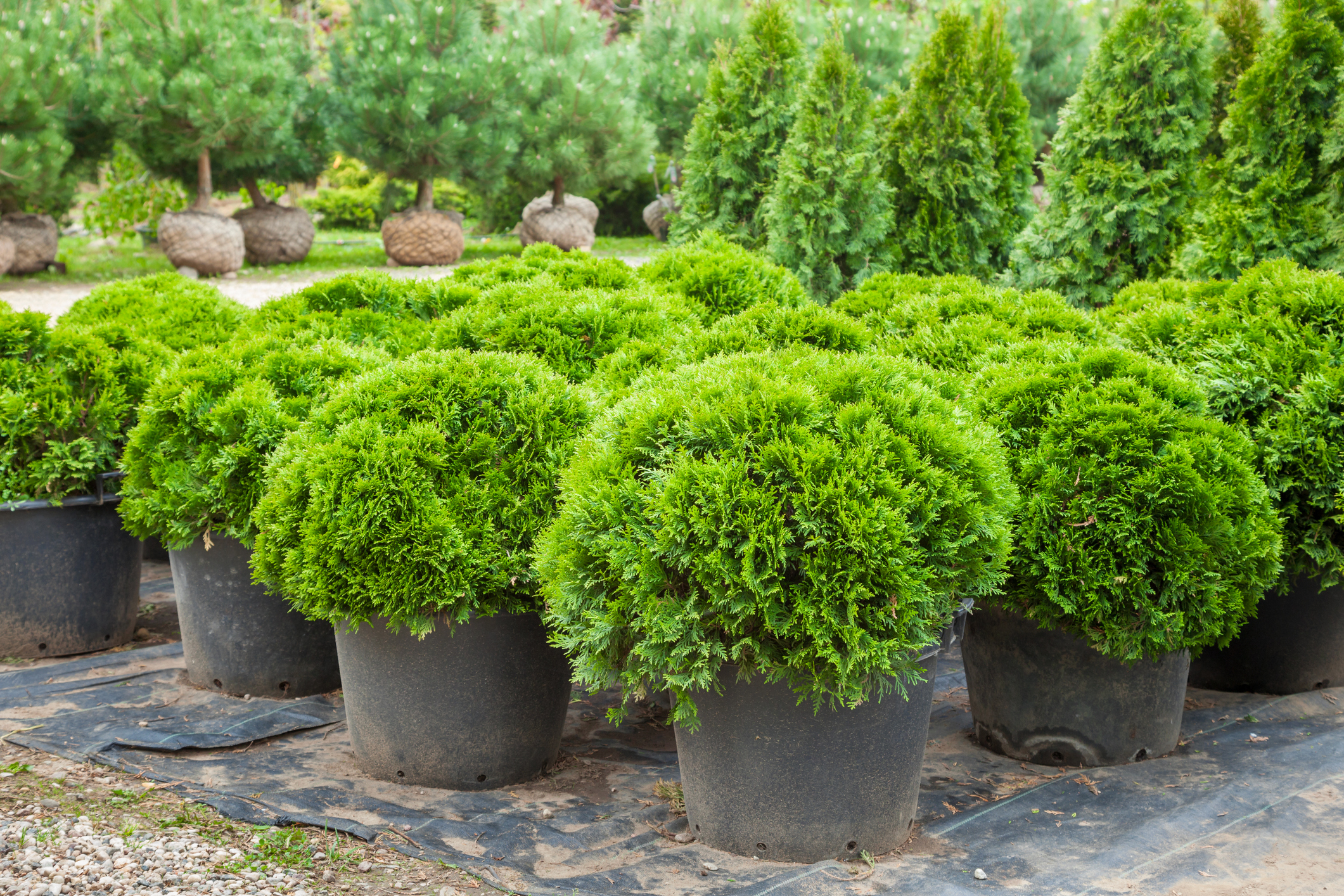
Why Fall Is an Ideal Time for Commercial Tree and Shrub Installation
Fall conditions support successful establishment because newly installed plants experience less heat stress and moisture loss than they typically would during warmer months. While air temperatures begin to cool, soil temperatures often remain warm enough for roots to continue developing.
This allows trees and shrubs to devote more energy to root growth rather than supporting vigorous foliage production. A stronger root system helps prepare plants for winter dormancy and can position them for healthier growth when spring arrives.
For commercial properties, fall installation can also provide operational advantages. Landscape improvements can be completed before winter, helping properties enter the following growing season with stronger structure, improved curb appeal, and fewer visible landscape deficiencies.
Begin With a Professional Site Assessment
Successful commercial tree and shrub installation begins with a thorough understanding of the property.
Before selecting plant material, horticultural professionals evaluate the conditions that will influence performance. These may include:
- Soil composition, compaction, and drainage
- Sun and shade exposure
- Wind exposure
- Irrigation coverage
- Proximity to buildings and hardscapes
- Pedestrian and vehicle circulation
- Mature plant size
- Screening and privacy requirements
These factors help determine which species are appropriate and where they should be placed.
Proper planning is particularly important on commercial properties, where poorly selected or incorrectly placed plants can create long-term maintenance challenges. Trees planted too close to buildings may interfere with structures as they mature, while shrubs placed near walkways may require excessive pruning.
A professional assessment helps prevent these problems before installation begins.
Selecting Plant Material for Long-Term Performance
Commercial landscapes require trees and shrubs that provide more than immediate visual impact. Plant material must also tolerate the environmental and operational conditions of the property.
Princeton Scapes considers characteristics such as regional hardiness, mature size, pest and disease resistance, soil compatibility, water requirements, growth habits, and seasonal interest.
Native and regionally adapted plants may be incorporated where appropriate because they are often well suited to local environmental conditions. However, every plant selection should reflect the specific needs of the site.
The objective is to create a landscape that remains attractive and functional while supporting manageable long-term maintenance requirements.
Preparing Soil for Healthy Root Development
Healthy soil is fundamental to successful tree and shrub establishment.
Commercial properties often have challenging soil conditions resulting from construction activity, compaction, drainage limitations, or years of heavy site use. Installing high-quality plant material without addressing these conditions can restrict root development and contribute to future decline.
Before planting, soil conditions should be evaluated and improved as necessary. Preparation may involve loosening compacted soil, adding appropriate organic material, improving drainage, or adjusting planting areas to encourage healthy root expansion.
Creating the right soil environment allows roots to move beyond the original root ball and establish successfully within the surrounding landscape.
Planting With Precision
Proper installation has a significant impact on the long-term health of trees and shrubs.
Planting depth is especially important. Plant material installed too deeply may experience restricted oxygen around the root system, while planting too shallowly can increase moisture loss and reduce stability.
Professional installation crews also pay careful attention to root positioning, plant orientation, backfilling, mulching, staking, and irrigation.
Key installation practices include:
- Maintaining the correct planting depth
- Properly positioning and loosening roots when appropriate
- Backfilling without excessive soil compaction
- Applying mulch at an appropriate depth
- Keeping mulch away from trunks and stems
- Using staking only when site conditions require it
- Ensuring irrigation reaches the developing root zone
These details help reduce transplant stress and support successful establishment.
Managing Watering During the Establishment Period
Newly installed trees and shrubs require consistent moisture while their roots begin expanding into surrounding soil.
Even during fall, natural rainfall may not provide adequate moisture. Watering needs vary according to plant size, soil type, drainage, weather conditions, and site exposure.
The goal is to maintain adequate moisture without creating saturated conditions that can restrict oxygen and damage developing roots.
For properties with irrigation systems, watering schedules may need to be adjusted temporarily to support new plantings before seasonal winterization occurs. Continued monitoring helps ensure that trees and shrubs enter dormancy with sufficient moisture.
Using Mulch to Protect New Plantings
Proper mulching supports both plant health and property appearance.
A correctly installed mulch layer helps retain soil moisture, regulate soil temperature, reduce weed competition, and protect the developing root zone as temperatures decline.
However, excessive mulch can create problems. Mulch should never be piled against tree trunks or shrub stems, where trapped moisture can contribute to decay and other plant health concerns.
Professional application ensures mulch provides its intended benefits without negatively affecting plant material.
Improving Commercial Property Function Through Strategic Placement
Tree and shrub installation can improve more than appearance. Strategic planting can strengthen the overall function and organization of a commercial landscape.
New plantings may be used to:
- Frame entrances and signage
- Improve privacy around shared spaces
- Screen utilities and service areas
- Reinforce property boundaries
- Improve pedestrian environments
- Replace gaps in existing landscape buffers
- Add structure to large planting areas
For HOA communities, office properties, multifamily developments, and institutional sites, thoughtful placement helps create a more cohesive and professional landscape.
Considering mature plant size during installation also reduces future conflicts with buildings, walkways, parking areas, and other infrastructure.
Protecting New Trees and Shrubs Through Winter
New plantings should continue to be monitored after installation.
Late-fall maintenance may include checking soil moisture, adjusting stakes, maintaining mulch, and ensuring plants remain stable as weather conditions change.
Commercial properties must also consider winter operations. Trees and shrubs located near parking lots, sidewalks, and drive lanes can be affected by snow storage, deicing materials, and snow removal equipment.
Coordinating landscape planning with snow and ice management practices helps protect new installations during their first winter and supports stronger spring performance.
Build a Stronger Commercial Landscape This Fall
Fall tree and shrub installation is an effective way to strengthen commercial landscapes while establishing plant material under favorable seasonal conditions. Careful site assessment, appropriate plant selection, proper soil preparation, precise installation, and ongoing monitoring all contribute to long-term success.
Princeton Scapes combines Certified Horticulturists, experienced professional crews, and comprehensive year-round landscape services to help commercial property managers, HOA boards, developers, and facility managers maintain attractive, functional, and resilient properties.
Connect with Princeton Scapes to discuss fall tree and shrub installation opportunities and develop a landscape enhancement plan designed to support long-term property performance.