Winter Landscape Inspections: Preventing Costly Spring Surprises
Posted On
Commercial properties face unique challenges during the winter months, when freeze–thaw cycles, extended cold, and winter storms can create hidden issues that go unnoticed until spring. By the time these concerns are visible—settled walkways, drainage failures, damaged shrubs, or weakened tree limbs—the cost and complexity of repairs have often escalated. This is why winter landscape inspections are a critical component of proactive property management.
A winter inspection performed by trained professionals helps property managers understand the condition of their landscapes during a season when small issues can quickly evolve into larger risks. Princeton Scapes’ horticulturists, landscape specialists, and construction professionals conduct thorough winter assessments that safeguard landscape assets, minimize liability, and support stronger performance when spring arrives.
Why Winter Inspections Are Essential for Commercial Properties
Winter exposes landscapes to conditions that are far different from those of active growing seasons. Cold temperatures, saturated soils, snow loads, and rapid weather shifts reveal vulnerabilities that cannot always be seen during warmer months.
A winter landscape inspection helps identify:
- Structural issues affecting trees and shrubs
- Soil and drainage problems that contribute to freeze-related damage
- Hardscape vulnerabilities caused by moisture and temperature fluctuations
- Turf areas experiencing compaction or winter stress
- Irrigation systems at risk of damage if not properly winterized
These insights allow property managers to address concerns before they escalate, maintaining landscape function and appearance while controlling costs.
Winter inspections also contribute to risk mitigation. Properties with consistent winter monitoring experience fewer accessibility issues, fewer hazards, and more predictable maintenance requirements throughout the year.
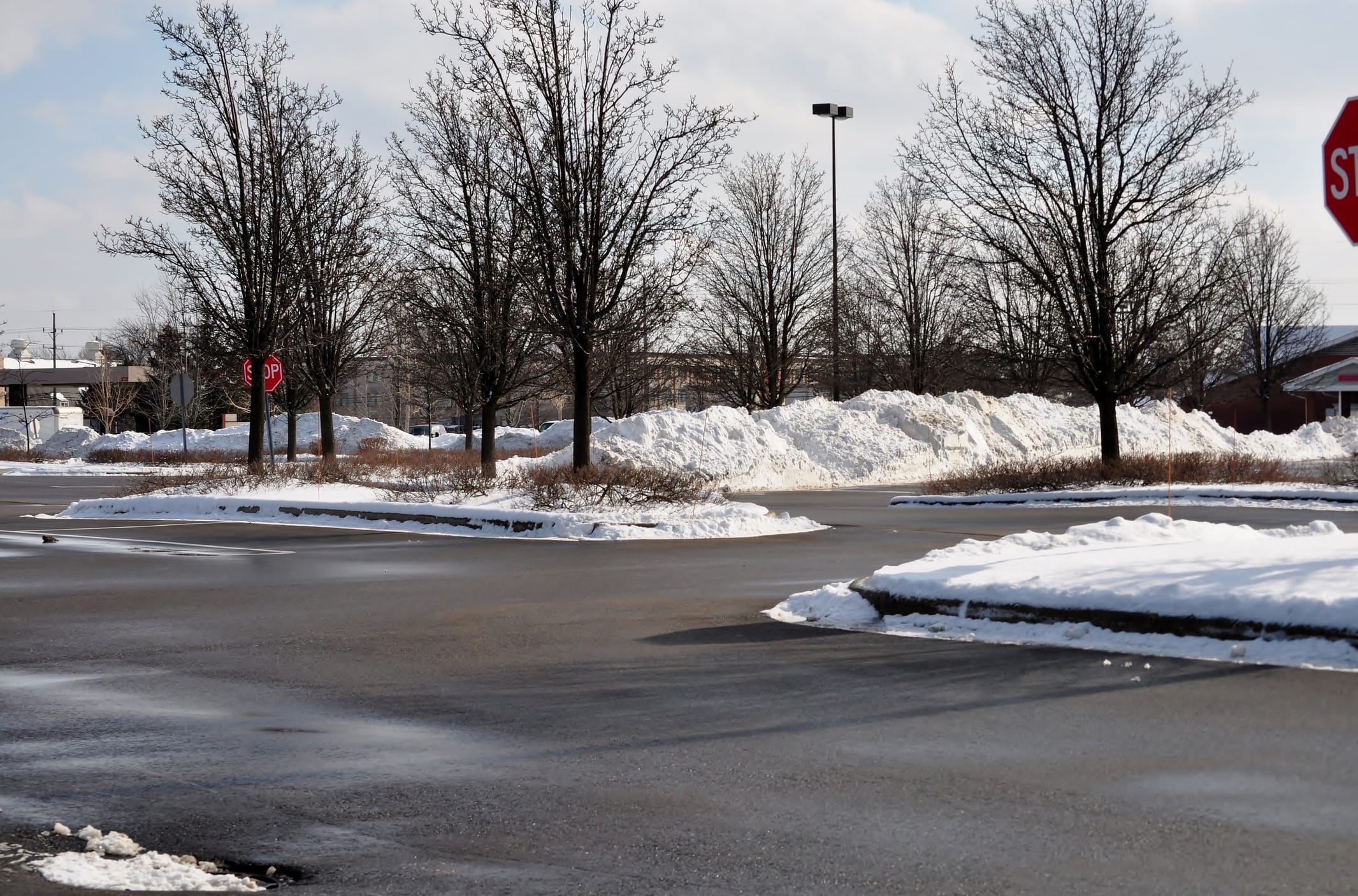
Identifying Tree and Shrub Risks During Dormancy
Trees and shrubs may appear dormant, but winter conditions can reveal issues that compromise long-term health and site safety.
Structural Weaknesses Become More Visible
Without foliage, arborists have a clearer view of branch structure. This allows them to identify:
- Cracked or split limbs
- Co-dominant stems
- Overextended branches
- Weak unions that may fail under snow load
- Dead or declining wood
Identifying structural weaknesses in winter allows for corrective pruning, cabling, or removal before spring storms or high winds increase risk.
Assessing Winter Injury
Winter injury appears when plants experience sudden temperature changes, desiccation, or extended cold periods. During inspections, horticulturists examine:
- Browning on evergreens
- Bark splitting
- Terminal bud damage
- Root stress in exposed or elevated beds
Early detection leads to more effective recovery strategies in spring.
Hardscape and Infrastructure Issues Revealed by Winter Conditions
Freeze–thaw cycles place significant stress on hardscape elements, particularly in commercial environments with heavy foot or vehicle traffic.
Movement and Settlement
Pavers, walkways, curbs, and patios may shift during winter. Inspections check for:
- Heaving caused by frozen subsoil
- Settling near entrances or loading zones
- Tripping hazards from raised pavers or misaligned edges
- Cracks developing in concrete or retaining walls
Addressing these conditions early prevents further deterioration and improves site safety.
Drainage Failure and Ice Formation
Poor drainage creates recurring ice hazards—a major liability for property managers. Winter is the best time to observe:
- Areas where melting snow refreezes
- Downspout discharge patterns
- Low spots in turf or beds that hold water
- Ice accumulation along walkways or parking lot edges
These observations inform long-term improvements, such as regrading, drainage repair, or installation of hardscape interception systems.
Turf Examination During Dormant Months
Winter may not be a growing season, but it still affects turf performance. Compaction, disease, and moisture stress can accumulate unnoticed until turf weakens in spring.
During winter inspections, landscape professionals evaluate:
- Areas of heavy foot or vehicle traffic showing compaction
- Drainage deficiencies contributing to winterkill
- Signs of snow mold or other fungal issues
- Areas where turf is thinning or struggling
Documenting these issues allows teams to plan targeted renovation work—such as aeration, slice seeding, or soil amendment—when conditions improve.
Bed and Planting Area Monitoring
Even with plants dormant, winter affects planting beds in ways that influence spring performance.
Inspections include review of:
- Mulch levels insufficient for root protection
- Soil erosion in areas with slope or drainage patterns
- Exposed root zones from frost heave
- Shrub damage caused by snow load or plowing
- Winter burn on broadleaf evergreens
Protecting beds now sets the stage for stronger early-season performance and reduces the need for emergency corrections in spring.
Checking Irrigation System Status and Vulnerabilities
Even when irrigation systems are winterized, winter soil movement or mechanical pressures can create vulnerabilities. Inspections help identify issues such as:
- Exposed or shifting pipes
- Valve box flooding or icing
- Damage caused by plowing equipment
- Areas that require repairs before spring start-up
This ensures the irrigation system can be brought online efficiently without causing delays or requiring unplanned emergency repairs.
Evaluating Property Safety During Winter Conditions
Safety is a year-round responsibility, and winter presents unique hazards that affect pedestrian movement, vehicle circulation, and property access.
Winter inspections help identify:
- Walkways susceptible to recurring ice
- Entry areas needing additional de-icing attention
- Sightline obstructions caused by snow piles
- Lighting issues contributing to unsafe conditions at dusk
- Hardscape materials becoming slippery during freeze–thaw cycles
These insights allow property managers to adjust snow and ice management strategies for improved safety and compliance.
Winter Inspections as Part of a Comprehensive Maintenance Strategy
Winter inspections add value when integrated into a full-year landscape management plan. By identifying winter concerns early, property managers can:
- Prioritize maintenance budgets more effectively
- Schedule spring improvements before peak demand
- Prevent costly emergency repairs
- Improve landscape performance over the entire growing season
Princeton Scapes incorporates winter assessments into annual maintenance programs to support uninterrupted site performance and long-term planning.
Protect Your Property with a Proactive Winter Inspection
Winter is the ideal time to uncover hidden issues that affect safety, appearance, and landscape health. Princeton Scapes provides detailed winter inspections led by horticulturists and landscape experts who understand the unique conditions commercial properties face during colder months.
Schedule a winter landscape inspection to safeguard your property and ensure a stronger, more successful spring season.